Bridges
Home – Anesthesia & Sedation
General Dentistry Services
Periodontal Treatment
Prosodontic Services
Specific Services
Cosmetic Dentistry Services
Orthodontic Services
Online Appointment
Act Now to Protect Your Smile!
Don’t wait for a toothache to prioritize your oral health. At Smile Zone of Irving, we make preventive care comfortable, affordable, and tailored to your unique needs.
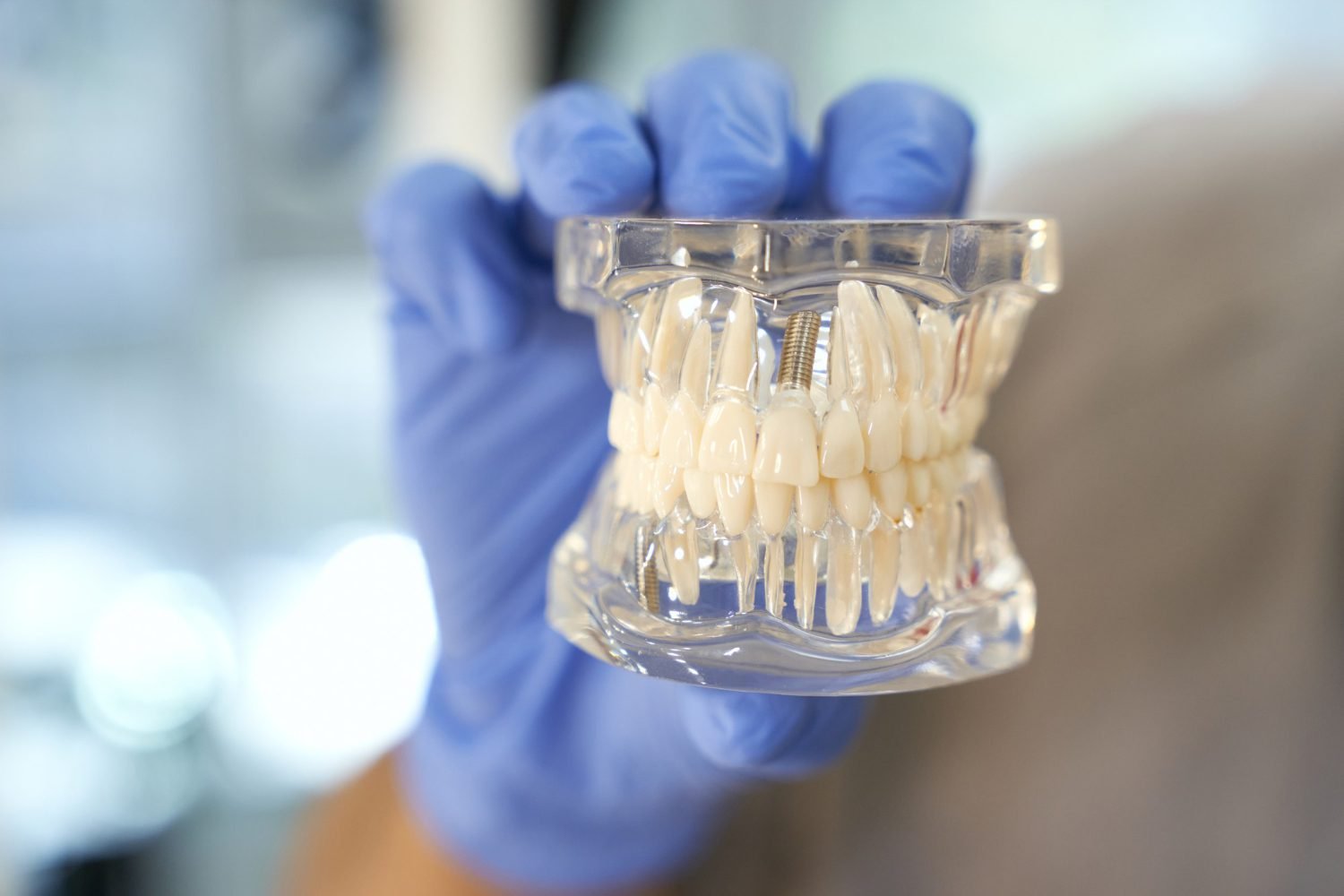
The Perfect Bridge to a Complete Smile: Your Comprehensive Guide to Dental Bridges
At SmileZone of Irving, we replace missing teeth with custom-crafted bridges that restore your smile’s beauty, function, and confidence. Using advanced materials and precision technology, our bridges blend seamlessly with your natural teeth while preventing bone loss and dental shifting. Discover how we bridge the gap to your perfect smile!
When Do You Need a Bridge?
Situation
Bridge Solution
Key Benefit
1-3 Missing Teeth
Fixed replacement
Prevents teeth shifting
Adjacent Healthy Teeth
Conservative alternative
Avoids removable appliances
Bone Preservation
Maintains jaw structure
Prevents facial collapse
Smile Gaps
Instant cosmetic fix
Restores confidence
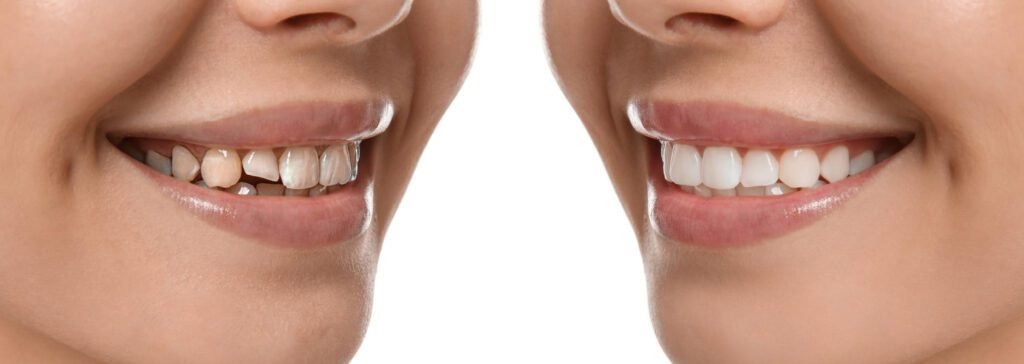
4 Types of Bridges Compared
1. Traditional Bridges
Structure: Crowns on adjacent teeth + pontic(s) in between
Best For: A single missing tooth with strong neighboring teeth
Material Options: Zirconia, E-max, PFM
Pros: Most durable option Cons: Requires altering healthy teeth
2. Cantilever Bridges
Structure: Single abutment tooth supports pontic
Best For: Missing back teeth (no rear anchor available)
Material Options: Zirconia, gold
Pros: Conservative (only one tooth prepared)
Cons: Not for high-stress areas
3. Maryland Bridges
Structure: Metal/ceramic wings bonded to back of adjacent teeth
Best For: Front teeth replacement
Pros: Minimal tooth preparation
Cons: Lower longevity
4. Implant-Supported Bridges
Structure: Pontics anchored to dental implants
Best For: Multiple missing teeth
Pros: Preserves bone, no tooth alteration
Cons: Surgical procedure required
The Bridge Journey: Step-by-Step Process
1. Digital Planning (Day 1)
-
3D CBCT Scan: Assesses bone/jaw health (For implant bridges). -
Material Selection: Based on bite force and aesthetics
2. Tooth Preparation (Day 2)
-
Minimal Reduction: 0.5-1.5mm enamel removal -
Digital Impression: iTero® scan (no messy putty!) -
Temporary crowns: Protects teeth while lab crafts final
3. Lab Fabrication (1-2 Weeks)
-
Designed to perfection -
Surface texture matching -
Customized gum contours
3. Lab Fabrication (1-2 Weeks)
-
Designed to perfection -
Surface texture matching -
Customized gum contours
4. Final Placement (Day 14)
-
Precision Fit Check: Verify margins and contacts -
Permanent Cementation: Bioactive resin bonding -
Polishing: Mirror-like finish
Bridges vs. Alternatives
Feature
Bridge
Implant
Partial Denture
Procedure
Non-surgical
Surgical
Non-surgical
Tooth Alteration
Yes (except implant)
No
No
Bone Preservation
Moderate
Excellent
Poor
Follow Us :
FAQs
Does getting a bridge hurt?
Most patients report mild pressure during prep. We use:
Topical numbing gel
Local anesthesia
How do I clean under a bridge?
Use:
Superfloss® threaders
Water flosser
Interdental brushes
(We provide customized cleaning kits!)
Can a bridge be whitened?
No – materials are stain-resistant. Whitening should be done before bridge placement for perfect shade match.
What if my bridge feels loose?
Contact us immediately! Never use household adhesives.